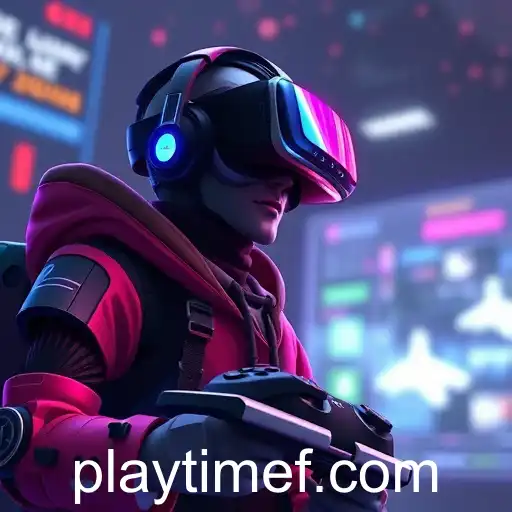
playtime | The Evolution of Playtime: Gaming in 2026

In the bustling world of 2026, the concept of "playtime" has undergone a dramatic evolution. Gone are the days when gaming was confined to simple consoles or desktop computers. The industry has now metamorphosed into a sophisticated landscape where virtual reality and artificial intelligence play pivotal roles.
In recent years, virtual reality has surged to the forefront of gaming innovation. This shift is primarily due to advancements in VR technology making devices more accessible to the average consumer. Today's VR experiences offer unprecedented levels of immersion, where players can physically walk through digital worlds. Leading companies have integrated haptic feedback suits, creating tactile sensations that enhance user experiences further, blurring the lines between the virtual and the real.
Parallelly, eSports continues to grow at an exponential rate, transcending traditional boundaries between sports and digital entertainment. With major tournaments boasting prize pools rivaling those of conventional sports, eSports has carved out a significant niche in the global entertainment industry. The integration of advanced AI into these games ensures dynamic and unpredictable gameplay, keeping players and audiences on their toes.
Furthermore, gaming has become a crucial platform for social interaction, especially in a world still grappling with the impact of a global pandemic. Online multiplayer games are no longer mere entertainment; they act as social hubs where friendships form across continents. This shift has influenced game design, with developers emphasizing community-building features.
The economic impact of these advancements is significant. The gaming industry's rapid growth contributes billions to global GDP, and governments are taking notice. Policies are evolving to support this vibrant sector, encouraging innovation and investment. Educational institutions, too, are embracing gaming by incorporating it into curricula to develop skills like strategic thinking and collaboration.
As we move forward, it is clear that gaming will continue to be a driving force in cultural, technological, and economic arenas. The concept of playtime has never been more relevant, nor more transformative than it is in 2026. The dynamic interplay of technology and creativity ensures that the future of gaming is one to watch closely.


Revolutionizing Online Gaming: Playtime's Impact on the Industry
An exploration of how the online gaming platform Playtime is reshaping the gaming industry in 2025.

Revolutionizing Online Gaming in 2025
Explore how 'playtime' has evolved in 2025, influencing online gaming with advanced technology and new dynamics.

The Digital Playground: Playtime in 2026
Exploring the evolving trends in the gaming industry as we venture into 2026.

Digital Playtime Evolves in 2025
Exploring the latest advancements and trends in the digital gaming world of 2025.